 Swiftlisted
Selling on Only One Marketplace: The Hidden Risk to Your Reselling Business
Watching another reseller lose their account overnight to an automated flag, a policy shift, or a sudden buyer dispute is a sharp reminder of platform risk. When your entire reselling catalogue, buyer feedback, and daily income sit on a single marketplace, your business operates without a safety net. Relying on one platform creates a single point of failure where a decision made by an automated review system can halt your sales immediately.
The Realities of Single-Platform Dependence
Every marketplace operates under its own terms of service, acceptable use policies, and automated enforcement mechanisms. These rules differ significantly between platforms and change frequently. What is permitted on one venue today might trigger an immediate listing shadowban or account restriction on another tomorrow. When you sell exclusively on one venue, any policy update or system false-positive directly threatens your main source of income.
Beyond account enforcement, single-platform sellers are entirely exposed to platform-specific algorithm shifts. A search update can cause your daily impressions to drop without warning, leaving stock sitting idle even if buyer demand for your items remains strong elsewhere on the internet.
- Automated security scans can flag legitimate vintage or pre-owned items incorrectly.
- Buyer disputes or payment holds can lock your operating capital without prior notice.
- Changes to buyer fee structures or search ranking rules can reduce your profit margins overnight.
Audit Your Business Vulnerabilities Today
To protect your reselling operations, start by auditing how dependent you are on your primary platform. If your marketplace account were locked today, could you access your item descriptions, measurements, and listing photos, or are they trapped inside that platform's database?
Take inventory of your digital assets. Check whether your raw photography is saved on your own local hard drive or cloud storage. Build a central inventory record outside of any single venue so you retain complete control over your product data regardless of platform status.
Building a Diversified Selling Strategy
Diversifying your sales channels means listing your inventory across multiple venues where your prospective buyers shop. Expanding into new sales channels reduces your dependency on any single algorithm while exposing your items to broader buyer audiences.
Expanding your footprint comes with practical trade-offs. Managing multiple shops manually increases administrative overhead. You must track where items are listed, adjust titles to match differing buyer habits across platforms, and ensure sold items come down quickly to prevent double-selling.
- Select secondary marketplaces that suit your specific inventory types, such as apparel, electronics, or vintage goods.
- Keep unified stock records using central reference SKUs for every physical item.
- Adjust listing details to match each platform's unique taxonomy and size systems.
How to Crosslist Efficiently and Manage Automation Risks
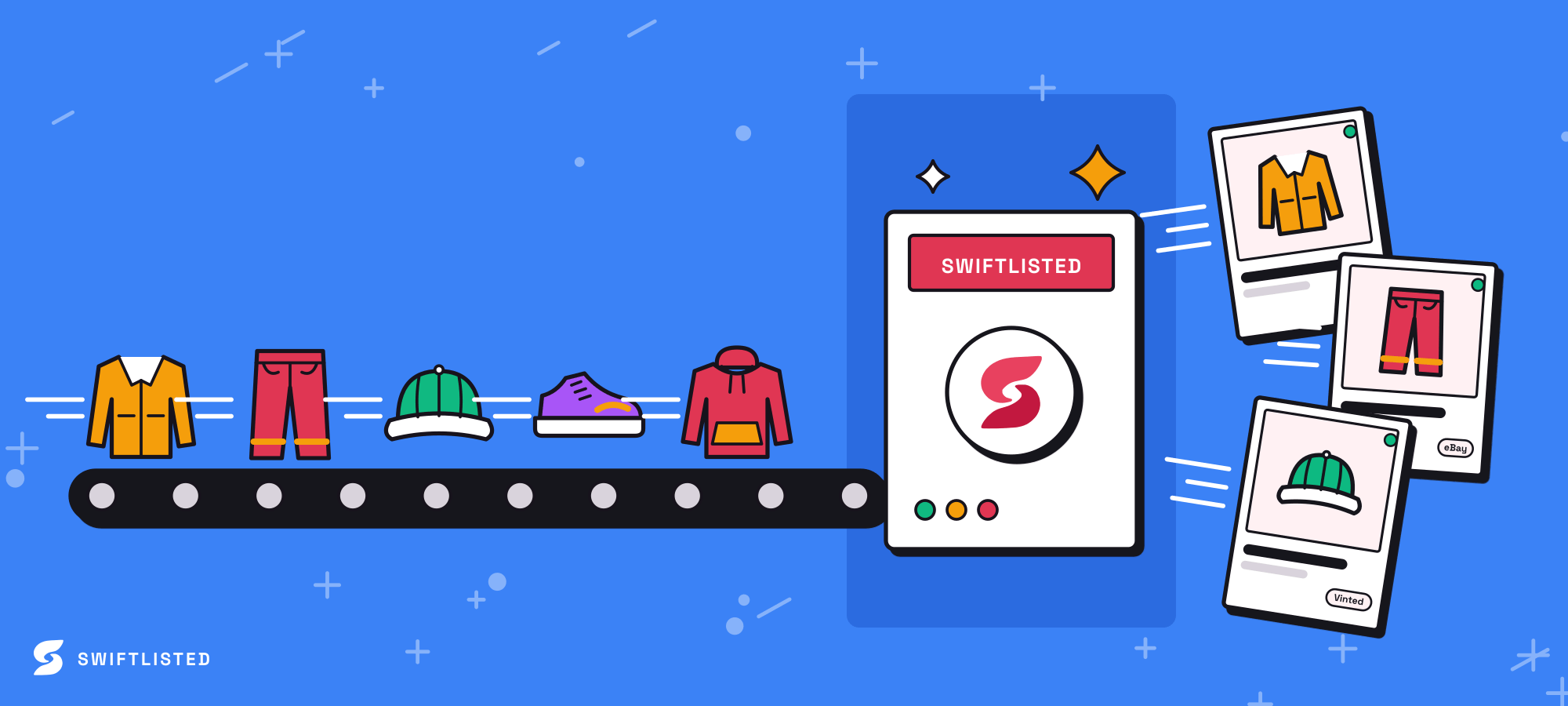
Moving inventory across channels manually takes significant time. Using crosslisting software like Swiftlisted lets you prepare an item once using structured details and publish it across your connected storefronts. Official integration setups exist for platforms like eBay and Shopify, while browser extension routines handle marketplaces such as Depop, Vinted, Grailed, Whatnot, and Facebook Marketplace.
Crosslisting tools reduce manual data entry, but sellers must remain mindful of platform automation boundaries. Marketplaces closely monitor account activity for rapid actions that resemble spam. For instance, listing dozens of items in a matter of seconds on Facebook Marketplace can trigger account safety limits. Sensible crosslisting requires pacing your listing runs into manageable batches, reviewing drafts before posting, and keeping your browser sessions signed in securely on a desktop computer.
Managing Stock to Prevent Double-Selling
The primary operational risk of crosslisting is selling the same physical item on two platforms before you can remove the second listing. Preventing double-selling requires a reliable delisting workflow.
Pro-tier tools assist by scanning connected channels to detect completed sales and trigger automated delisting across remaining venues. However, sellers should maintain good inventory habits: keep physical stock organised with matching SKUs, monitor activity logs regularly, and perform manual checks whenever high-velocity sales events occur.
Common questions
- Is selling on only one marketplace ever a safe strategy?
- Relying on one venue carries inherent business risk. Even established sellers can face sudden policy updates, category suspensions, or algorithm shifts. Spreading stock across multiple platforms distributes your risk and protects your income.
- How does crosslisting software reduce single-platform risk?
- Crosslisting tools maintain a central store of your product titles, descriptions, and photos. If one selling platform restricts your account, your underlying item data remains secure in your central stockroom and active across your other storefronts.
- Can I use crosslisting tools on a mobile phone?
- Browser-driven listing automation relies on desktop browser extensions running on Google Chrome. While mobile dashboards let you view stock records, creating and executing automated crosslisting runs requires a desktop or laptop computer.
- What happens if a crosslisting run encounters an error on one marketplace?
- If a listing fails on one platform due to a missing required field or expired login, independent tools isolate that error so the rest of your listing run continues across your other selected channels without losing progress.
List once, sell everywhere
Swiftlisted photographs, describes and crosslists your stock across every marketplace you sell on — then delists it everywhere when it sells.
Start free trial