 Swiftlisted
How Many Marketplaces Should You Sell On?
More marketplaces only means more sales up to the point where the time, the upkeep and the risk of double-selling outweigh the extra buyers. For most resellers that point is fewer than they think. The practical answer is to start with the one or two platforms where your items already sell, prove the numbers there, and add a marketplace only when a specific reason justifies it. Below is a way to decide, with worked examples in words, and an honest account of what goes wrong when you spread too thin.
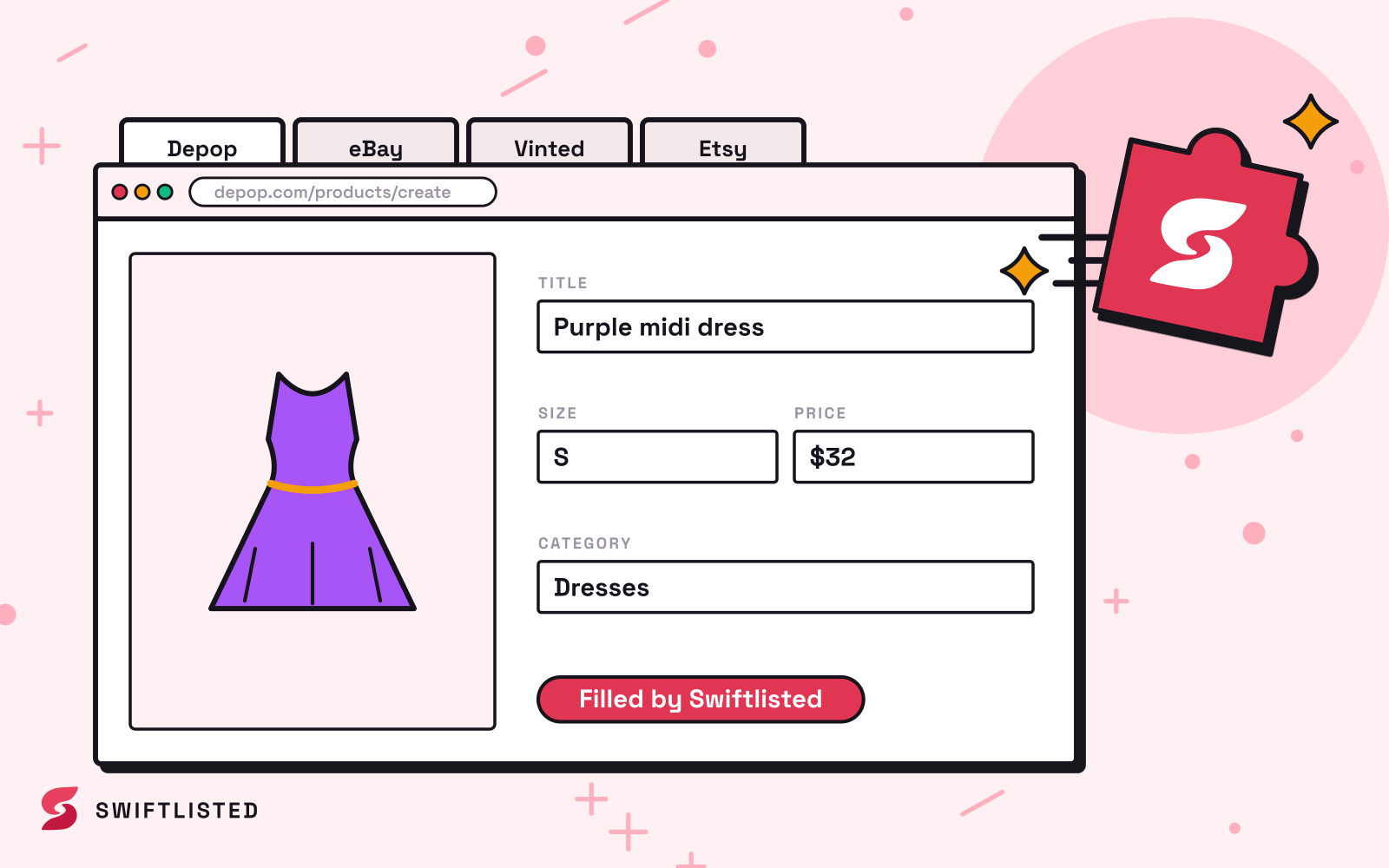
Start with where your buyers already are
Every marketplace has its own audience. Depop skews towards younger buyers looking for streetwear and vintage. Vinted is strong on everyday clothing and has a large, price-conscious base. Grailed is built around menswear and designer pieces. eBay sells almost anything but rewards detailed, searchable titles. Etsy suits handmade, vintage and craft items. Facebook Marketplace is local-first and tends to favour bulky or hard-to-post items. Whatnot is a live-selling format, so it works best for stock you can show off in a stream.
The mistake is treating every marketplace as interchangeable. Look at your last twelve months of sales and note where each sale happened. If nearly all your profit comes from one platform, that is your core. Everything else is a test, not a default.
Count the real cost of each extra marketplace
A new marketplace is not free just because the account is free. Each one adds fees that differ by marketplace and change over time, so check the current fee schedule before you commit. It also adds time: sizes, categories, shipping settings and returns policies all have to be set up and maintained. Then there is the risk of a sale on one platform while the same item is still live on another, which costs you an order you cannot fulfil.
Work the sum in plain terms: what you earn from the marketplace after its fees, minus the time you spend keeping that listing accurate, minus the cost of any mistakes. If the answer is small or negative after a few months, the extra marketplace is not earning its place, however big it looks on paper.
A worked example: three sellers, three answers
Take a seller who sells mostly vintage denim. Their sales are split evenly between Depop and eBay, and both return a steady profit. Adding Grailed would not help, because their buyers do not browse menswear designer feeds, so a third shop would only add upkeep. Two marketplaces is the right number.
Now take a seller who sells designer bags. eBay and Vestiaire Collective both carry strong sales, and the items are high value enough that the time spent per listing pays off. Two or three marketplaces can be worth it here, provided they are kept accurate.
Finally, a seller with a small stock of mixed items who lists on five platforms. Most of their sales come from one platform. The other four each sell a couple of items a year, and keeping them all current takes a few hours a week. Closing three of them would probably raise their profit, not lower it. More marketplaces does not automatically mean more sales.
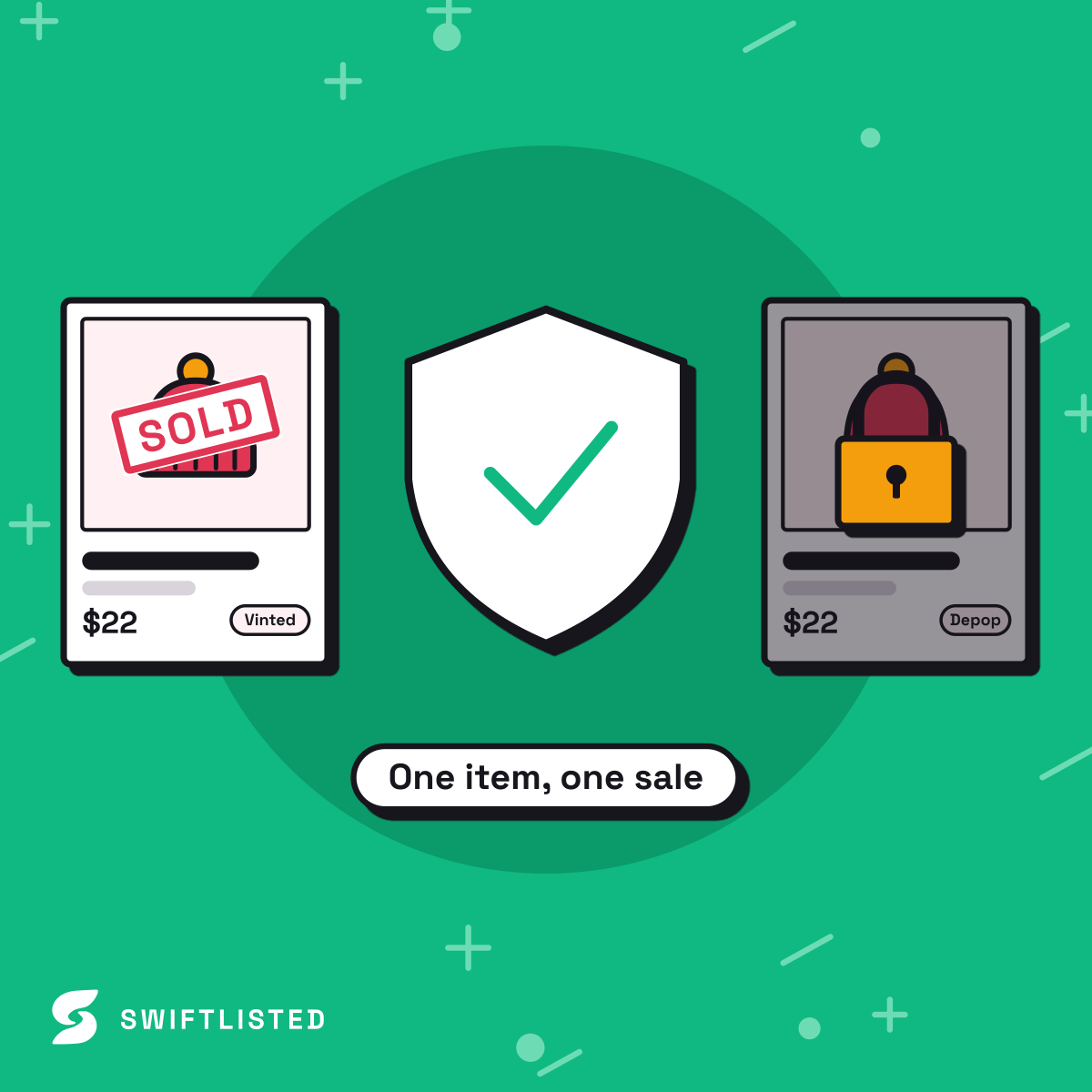
Where spreading out goes wrong
The main risks are double-selling and stale listings. If an item sells on one marketplace and stays live on another, you can end up promising something you no longer have. Manual delisting is where this usually happens, especially at the end of a long day. Stale listings are the quieter problem: items that sit unsold on a platform, buried under newer stock, and quietly drag down your numbers.
Crosslisting tools reduce these risks, but they do not remove them. Automation can fail when a marketplace changes its site, when you are signed out of a platform, or when a listing is rejected because a required field is empty. Sold detection depends on the marketplace reporting the sale, and some platforms are checked on a schedule rather than immediately. Check your Activity feed regularly, and never assume an item is off a marketplace until you have confirmed it. Swiftlisted lists to eBay, Shopify and Etsy through their official connections and works with Depop, Vinted, Grailed, Whatnot and Facebook Marketplace through the Chrome extension, which needs you to be signed in to those platforms in the same browser. Running more marketplaces means more of these failure points to watch.
A simple way to decide today
Do this rather than guessing. Pick your two strongest marketplaces, based on sales and profit from the past year. List your current stock on those two, and track sales, time spent and any errors for four to six weeks. Only add a third if your items are clearly not selling where they are, and the reason is an audience gap rather than a hunch.
Keep the number small enough that you can keep every listing accurate. A well-maintained two-marketplace shop usually beats a neglected five-marketplace one. Check current fees, policies and eligibility on each marketplace before you change anything, because these differ by platform and change over time. Current plan details and pricing are on the pricing page at swiftlisted.ai.
- Start with the marketplaces where your profit already comes from.
- Add a new marketplace only for a specific audience gap, not a hunch.
- Count fees, setup time and upkeep, not just the listing count.
- Keep every active listing accurate, or drop the platform.
- Review sales and errors every few weeks and close what is not earning.
Common questions
- Is it better to sell on as many marketplaces as possible?
- Not usually. Extra marketplaces add fees, upkeep and double-selling risk. Most resellers do best with one or two strong platforms and add others only when there is a clear reason.
- How do I know if a marketplace is worth keeping?
- Compare what it earns after fees with the time you spend keeping its listings accurate. If it sells rarely and needs constant attention, it is probably not worth keeping.
- Can I list the same item on multiple marketplaces without double-selling?
- Yes, but only if sales are detected and delisted promptly. Automation reduces the risk but cannot remove it, so check your Activity feed and confirm delists, especially on platforms checked on a schedule.
- Which marketplace should I start with?
- Start where your existing buyers are. Look at your past sales by marketplace and by category, then choose the platform that matches your stock. Check each marketplace's current policies before you begin.
List once, sell everywhere
Swiftlisted photographs, describes and crosslists your stock across every marketplace you sell on — then delists it everywhere when it sells.
Start free trial