 Swiftlisted
Manual Crosslisting vs Using a Crosslister: When the Tool Pays for Itself
Copying a listing by hand to two or three marketplaces is fine for a handful of items. It stops being fine once the same item can sell in two places at once, because the cost is not the typing, it is the double-sales, the stale listings and the forgotten delist. A crosslister removes the copying, but it adds its own risks, so the honest question is not whether automation is faster but at what volume and with what checks the trade-off makes sense.
What manual crosslisting actually involves
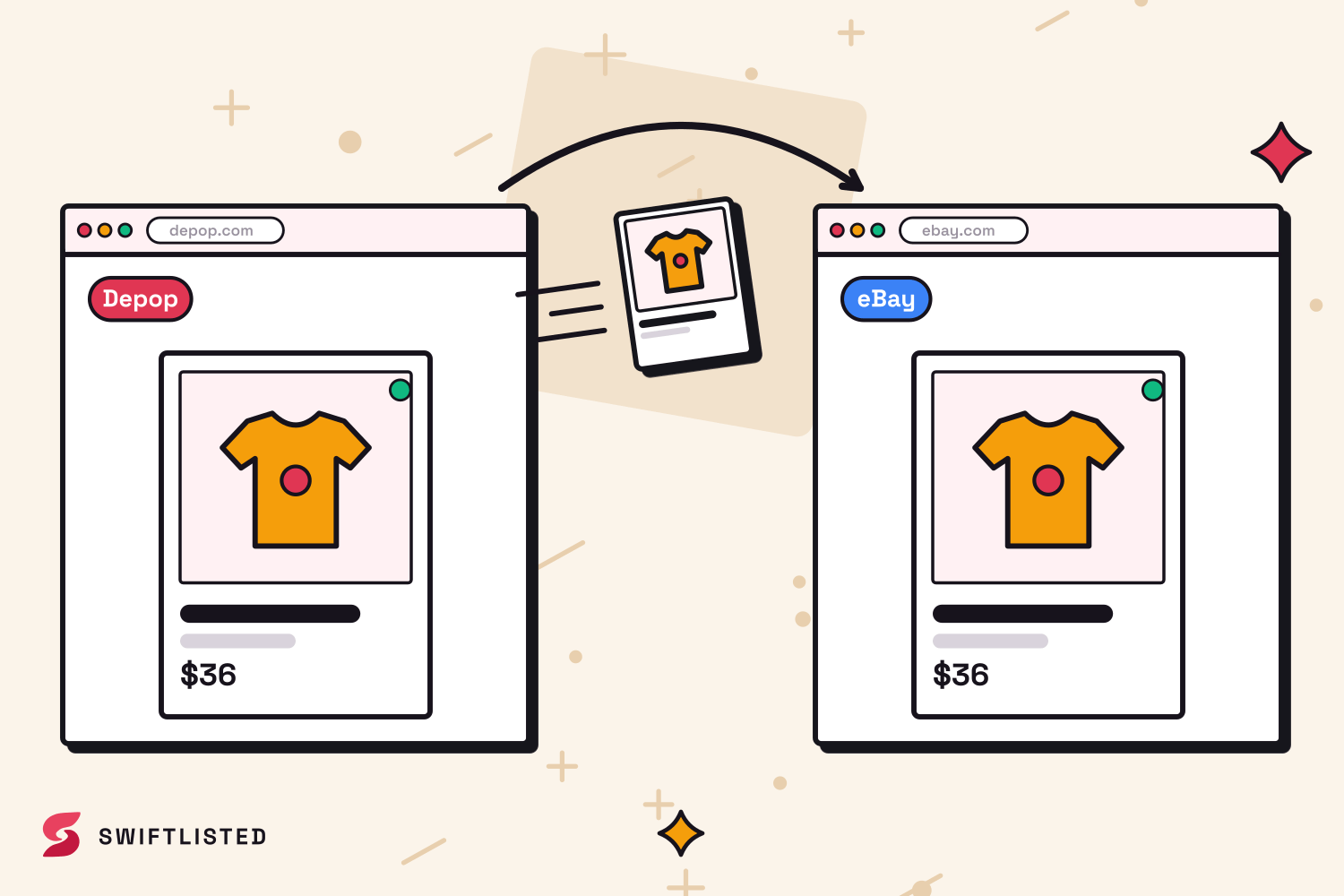
Manual crosslisting means you create the listing on marketplace A, then recreate it field by field on marketplace B, then on C if you sell there. For each one you re-enter the title, description, brand, size, condition, colour, category and price, and you re-upload the photos, because most marketplaces do not import from each other.
The work is repetitive but the real exposure is state. Every listing you create is a live object somewhere, and every sale on one platform has to be matched by a manual delist on every other. That second step is where most resellers lose money, not the first.
- Retyping the same fields for every marketplace, each with its own limits and character counts
- Re-photographing or re-uploading images that have to be resized per platform
- Tracking, by memory or by spreadsheet, which item is live where
- Manually delisting everywhere else the moment something sells
Where manual crosslisting goes wrong
The failure modes are predictable. The most expensive is a double sale: the item sells on one marketplace while it is still live on another, and you either have to cancel an order, which damages your standing, or send an item you no longer have. The second is the forgotten listing, an item sold offline or sold on one platform that stays visible elsewhere for weeks.
Smaller errors compound too. A size typed differently on two platforms, a category that maps badly, or a price updated on one shop but not the other all create listings that look inconsistent to buyers. None of these fail loudly; they just quietly cost you sales and trust.
- Double sales from an item still live on a marketplace you forgot to delist from
- Inconsistent prices or sizes across shops after an edit made in only one place
- Items left live after selling offline
- Typos introduced by re-entering the same data several times
What a crosslister changes, and what it does not
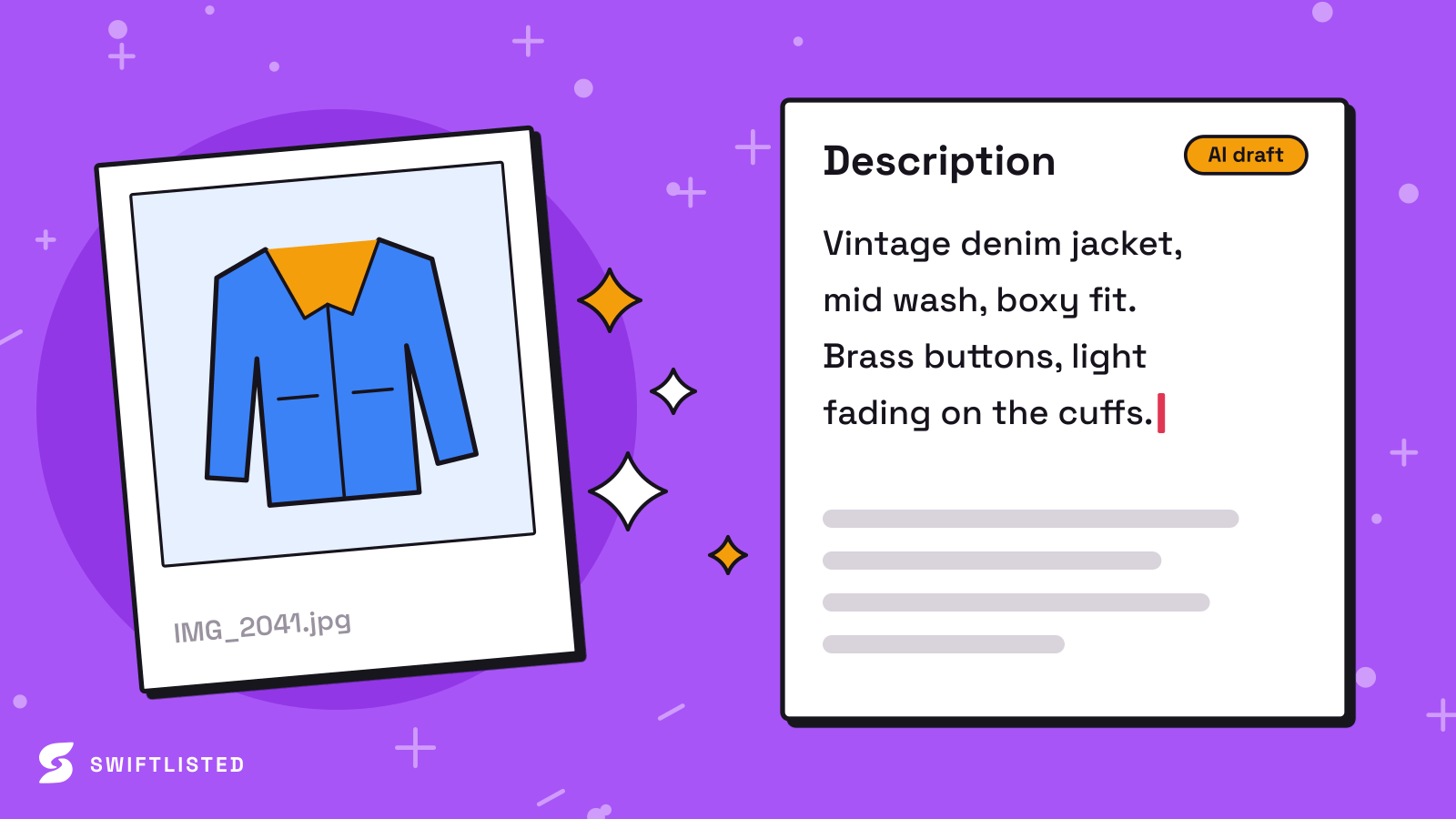
A crosslister takes the fields you have already written and posts them to each marketplace, and it can delist the others when a sale is detected. That removes the copying and the most common cause of double sales. It does not remove the need to check what it produced: AI-generated titles and sizes are a first draft, and a wrong brand or a missing size still reaches a buyer if you approve it without reading.
Automation also adds risks of its own. Marketplaces that have no public listing API are reached through a browser session, so a sign-out, a website change or an outdated extension can stop listings from posting. Some marketplaces are strict about automated activity on personal accounts, and rules on automation are set by each marketplace and change over time. Check each marketplace's current policy before running large batches, and pace big runs rather than posting hundreds at once.
- It removes re-typing and most double-sale risk from delisting
- It does not verify your data; you still review every draft
- Browser-based marketplaces can fail if you are signed out or the extension is out of date
- Marketplace automation rules differ by platform and change, so check current policy
A worked example: when the switch pays off
Take a reseller listing ten items a week across two marketplaces. Manually, each item takes a few minutes to create twice and needs a delist check after every sale. Over a month that is a steady background cost and one or two double sales is a realistic outcome for many sellers. Here a crosslister mainly buys back time and removes the delist step that causes the expensive mistakes.
Now take someone listing a few items a month on one marketplace, with occasional sales elsewhere. The copying cost is small and a crosslister adds a setup step, a subscription and a review habit for little gain. Manual is the right answer there. The break-even point is roughly when you find yourself delisting by memory more than once a week, or when posting to a second shop starts to feel like a chore you keep postponing.
- Under a handful of listings a month on one shop: manual is usually enough
- Regular listing across two or more shops: the delist step alone often justifies a tool
- Any double sale in the last month is a strong signal that your current process has a gap
- Keep a short log for two weeks to measure your own time and error rate before deciding
How to decide and how to start safely
Before choosing, write down your real numbers: how many items you list a week, how many shops you use, and how many double sales or missed delists you have had in the last three months. Those three figures tell you more than any general advice. If the tool is worth trying, start with a small batch of items you can afford to watch closely, check every field before listing, and confirm that each marketplace shows the listing and that the sale-detection and delist behaviour does what you expect.
Keep your own safeguards in place whatever you use. Check the Activity or log feed after every batch, keep the marketplace sessions you rely on signed in, and reload or update the tool when something stops working. Review the marketplace's current policy on automation, because it sets the rules you are operating under. See the pricing page for the plans that Swiftlisted offers, which is where the trade-off becomes concrete for your volume.
- Measure your current double-sale and forgotten-delist rate before changing anything
- Start with a small batch and check every draft before it posts
- Confirm sold detection and delisting behave as you expect on a test item
- Read each marketplace's current policy on automation and pace large runs
Common questions
- Is crosslisting by hand worth it if I only sell on two marketplaces?
- It can be, if your volume is low and you delist carefully. The cost usually shows up in the delist step after a sale rather than in creating the listings, so track how often you forget or get it wrong.
- Will a crosslister stop double sales completely?
- No tool removes the risk entirely. Automatic delisting reduces double sales a lot, but it depends on sales being detected and on your marketplace sessions staying connected, so check the activity log.
- Can a crosslister post my items to a marketplace without me checking them?
- It should not be set up that way. Review every AI-generated field, especially brand, size and condition, before you approve a listing to go live.
- Are marketplace rules on automation the same everywhere?
- No. Each marketplace sets its own rules on automated activity and these change over time, so read the current policy for each platform you sell on before running large batches.
List once, sell everywhere
Swiftlisted photographs, describes and crosslists your stock across every marketplace you sell on — then delists it everywhere when it sells.
Start free trial