 Swiftlisted
Should You Price the Same Item Differently on Each Marketplace?
Short answer: usually yes, but only by a deliberate amount you can explain. Keeping one identical price everywhere is simple, but it ignores that each marketplace takes a different cut, attracts different buyers and has a different culture around haggling and shipping. The reseller who sets one price and never looks again is quietly leaving margin on the table on some platforms and pricing themselves out of others. The work is not to chase a different number on every site, but to know which differences matter and to set a rule you can apply to a whole batch.
Why one price everywhere is the default, and where it breaks
Most resellers start with a single price because it is easy to remember and easy to check. That is a reasonable starting point. The problem is that the costs of selling are not the same everywhere. Each marketplace has its own selling fees, its own payment and payout arrangements, and its own rules about who pays for postage. Some charge a fee on the item price only; others add a buyer protection or processing charge that comes out of what you receive. Those structures differ by marketplace and change over time, so check each platform's current fee and policy pages before you build a pricing rule on them.
The break point is when two platforms take meaningfully different amounts from the same sale. If one keeps a noticeably larger share, your net for an identical listing is lower there, even though the buyer sees the same tag price. A single price means you are either overcharging buyers on the cheaper-to-sell platform or underpaying yourself on the expensive one.
What actually differs between marketplaces
Fees and payouts are only part of it. Audience and buyer behaviour matter just as much. On some marketplaces buyers expect to negotiate and will make offers as a matter of course; on others a fixed price is the norm and an offer feels out of place. A listing that sits at a firm price on a site where everyone offers can look stubborn, while the same listing with a little room built in on a haggling-heavy site may sell faster.
Category depth and search behaviour also differ. A piece that is well-catalogued and easy to find on one marketplace may be buried on another, where its category is a broad catch-all and the people searching are browsing rather than hunting for a specific brand. Demand for a given brand, size or style can be stronger in one market than another, and that justifies a different asking price, not just a different fee calculation. Finally, shipping expectations differ: some buyers on a platform will not pay for postage and expect it included, which changes what the headline price really means.
- Fee structure: whether the platform takes a percentage, a flat amount, or both, and whether buyer-facing charges come out of your payout.
- Who pays postage: some platforms expect free shipping built into the price, others let you charge it separately.
- Offer culture: how common haggling is, and whether a firm price looks normal or looks rigid.
- Audience fit: whether the brand and style have demand on that site, or whether you are competing for buyers who are not looking for it.
- Search and category: how findable the item is, and whether your chosen category puts it in front of the right buyers.
A simple method to set per-marketplace prices
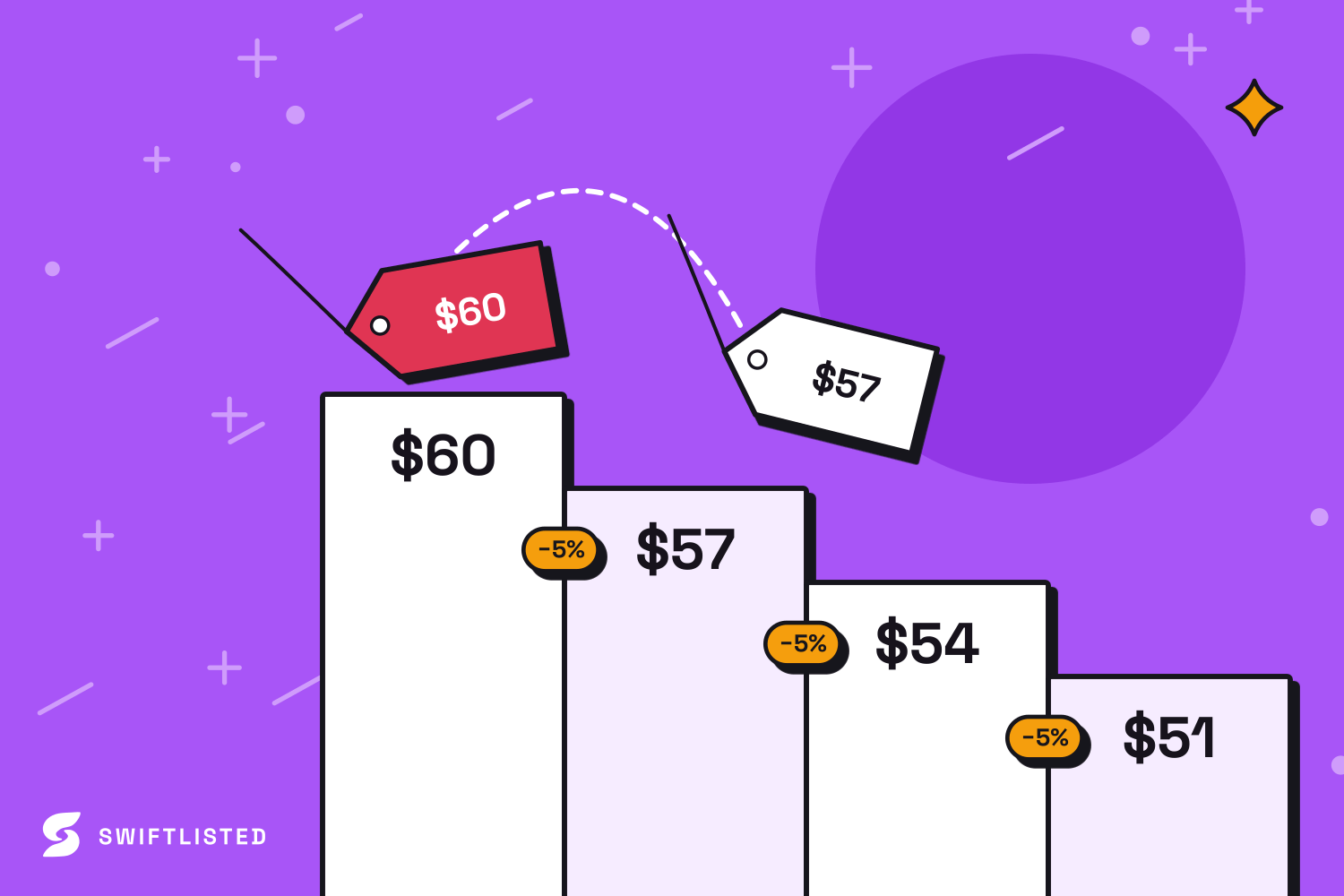
Do not price each item from scratch. Set a base price for the item based on what it sells for in its strongest market, then decide a small set of adjustments. Start by working out your net on each platform for that base price, using the current fee and payout rules from each marketplace's own pages. Then look at the gap. If the net is roughly similar everywhere, a single price may be fine and the extra effort is not worth it. If one platform leaves you clearly worse off, adjust that platform's price upwards to bring your net back into line, or accept the lower net knowingly because that site is where the item moves fastest.
Apply the method as a rule, not a per-item debate. For example, you might decide that a platform with a higher take gets a modest uplift on its asking price, while a platform with a strong offer culture gets a price with some negotiating room built in. Write the rule down so that a batch of fifty items is priced the same way, and so you can review it later. The aim is consistency you can explain, not a perfect figure for every listing.
Risks and what lowers them
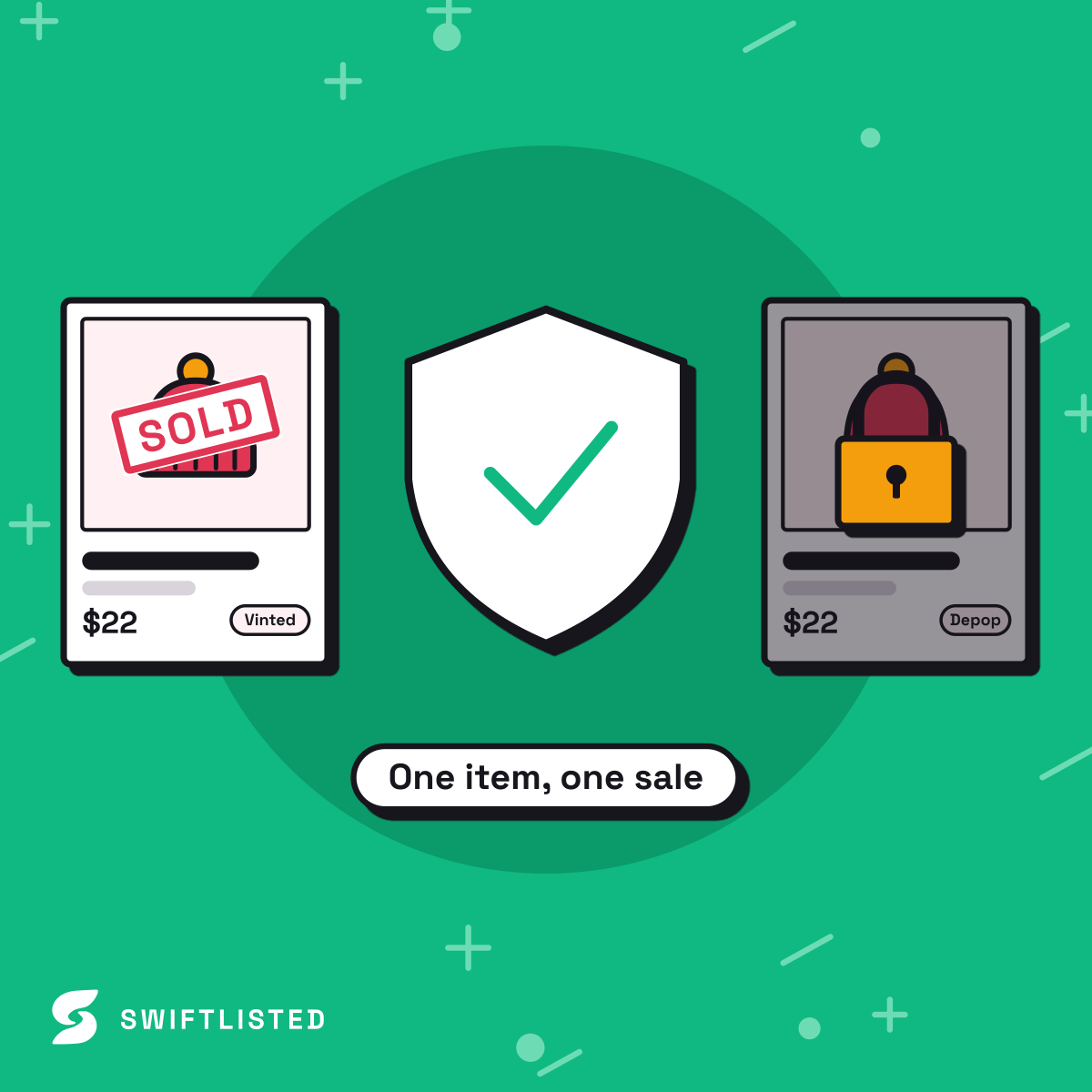
The main risk of per-marketplace pricing is inconsistency that buyers notice. If the same item is visibly much more expensive on one platform, a buyer comparing sites will see it, and you may get fewer sales or messages asking why. Keep the gap explainable and not extreme. The second risk is that you forget which price you set where, and an item sells on the cheaper site while your other listing stays live at the higher price. That is a double-sale problem and it is harder to fix than a pricing difference. Be straight about it: a manual process will eventually slip.
Price changes also need to be made on every platform where the item is live, and it is easy to update one and miss another. Keep a record of the rule you applied and check that each listing matches it. If you use a crosslisting tool, understand exactly what it sends to each marketplace and whether it lets you set a different price per platform. Swiftlisted lets you override price per marketplace, so you can apply your rule, but the outcome still depends on you checking that the overrides are what you intended before you list. Automation reduces the typing, not the need to review. Check the result on each platform after a batch runs, particularly the first time you use a new pricing rule, and if a listing fails part-way through, check which marketplaces actually received the new price.
Checks to run before you list today
Before you publish a batch, run through a short set of checks. Confirm the current fee and payout rules for each marketplace you are using, because they differ and change. Work out your net on each platform for the same base price and see whether the gap is large enough to justify a different price. Decide your rule for any uplift or negotiating room, write it down, and apply it consistently. Then check that the price on each listing matches the rule, and that you know where each item is live so that a sale on one platform gets delisted from the others.
- Read each marketplace's current fee and payout page, not a summary from a blog or forum.
- Calculate your net per platform for one sample item before you price the whole batch.
- Decide the rule in writing: how much any platform's price moves, and why.
- Confirm the price on every live listing matches the rule after the run finishes.
- Keep track of where each item is live so a sale is removed everywhere else promptly.
Common questions
- Is it dishonest to charge different prices on different sites?
- No. Marketplaces set different fees and attract different buyers, so adjusting price to reflect your real net and the local demand is ordinary practice. What matters is that the gap is not so large that it looks like a trick, and that the price on the listing is the price you actually intend to accept.
- How do I know which marketplace has the best net?
- Work it out for the same item on each platform, using the current fee and payout rules from each marketplace's own pages. Fees and rules differ by marketplace and change, so do not rely on a figure you read a while ago.
- Will a higher price on one marketplace stop it selling?
- It can slow sales there, particularly on platforms where buyers compare heavily or expect to negotiate. Whether it matters depends on the audience and the item, so watch how a listing performs over time rather than assuming.
- What is the biggest risk when prices differ between platforms?
- Usually a double sale: an item sells on one marketplace while it is still live elsewhere. Keep track of where each item is listed and make sure sales are removed from the other platforms quickly. Automation helps with this but does not remove the need to check.
List once, sell everywhere
Swiftlisted photographs, describes and crosslists your stock across every marketplace you sell on — then delists it everywhere when it sells.
Start free trial